The Most Generous Country in the World Isn’t Who You Think
According to the World Giving Report 2025, Nigeria has officially outpaced the globe in generosity.
According to the World Giving Report 2025, Nigeria has officially outpaced the globe in generosity. In the heart of Africa, giving isn't about having a surplus; it’s a way of life.
A popular Nigerian adage goes:
“It is in hard times that you know your friends.”
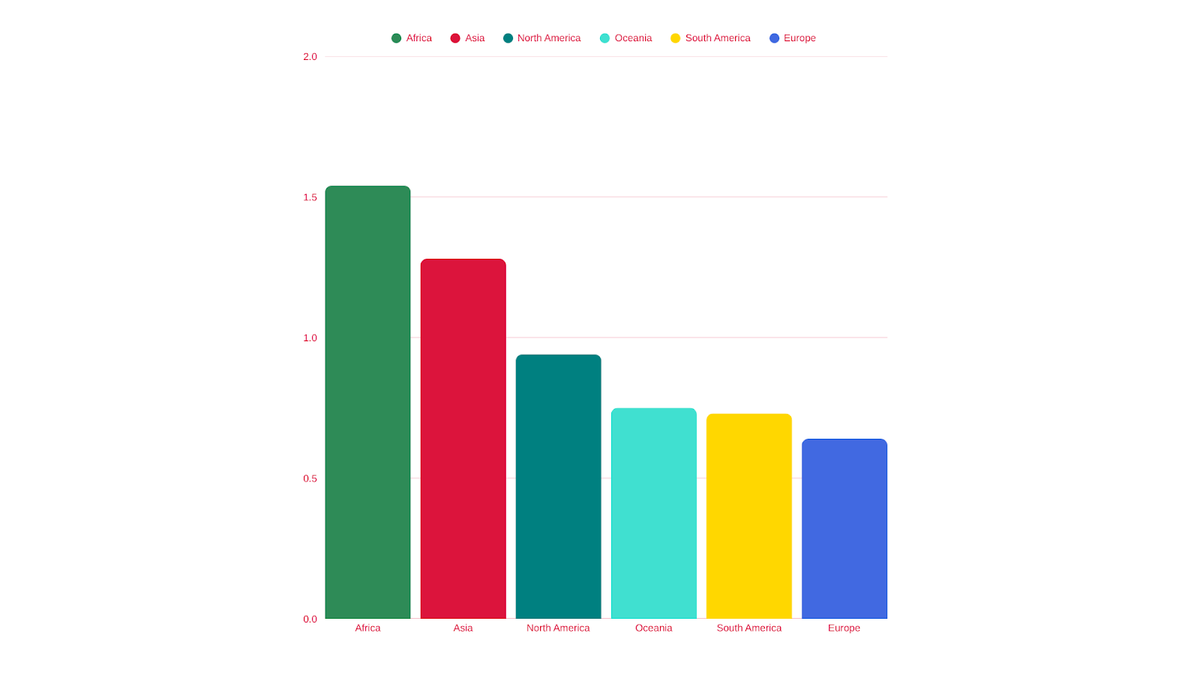
According to the most recent World Giving Report, Nigeria ranks as the most generous country in the world. Nigerians recorded giving an average 2.83% of their income, the highest globally. By contrast, people in high-income countries in Europe gave an average of only 0.7%. Japan, Germany, Finland, Portugal, and France all gave less than 0.5% on average, making them the least generous countries in the world.
Nigeria ranks first globally in both the proportion of people who give money (89%) and the proportion of income they give away (2.83%).
The contrast between the perception of giving and the actual giving is also striking. While Nigerians rank 22nd in how generous they believe they are, the data tells a different story, placing the country first in the world in the proportion of income donated.This suggests that generosity in Nigeria is so deeply embedded in daily life that it is not easily recognised by those who engage in it.
Nigerians were also three times more likely than the rest of the world to give on 12 or more separate occasions in 2024 according to the report. When compared with the global average, a significant share of giving in Nigeria is directed to religious entities and motivated by faith. Nigerians, like most Africans, are spiritual and largely conservative.
Despite the fact that some media personalities have questioned the practice, Christians in Nigeria donate about 10% of their monthly income to churches in the form of "tithes" across major churches such as Deeper Life, RCCG, Dunamis International Gospel Centre, and Living Faith. Muslims, on the other hand, are guided by the concept of zakat in Islam, which requires giving a portion of one’s wealth to those in need.
According to the report, even younger Nigerians report significant giving, challenging the assumption that generosity scales only with wealth. These findings suggest that monetary giving in Nigeria is less about surplus and more about social obligation and religious fulfillment.
Motivations for Giving in Nigeria
The report notes that the reasons why Nigerians give are as diverse as the people themselves, but rooted in shared cultural values.
- 41% give because they want to support their local community. This aligns with the African philosophy of Ubuntu; the idea that “I am because we are.”
- 41% give to set an example for others, particularly children and grandchildren. This is because generosity in Nigeria is seen as a legacy worth passing down.
- 36% are motivated by personal experiences or the desire to honor the memory of a loved one. Across the country, people donate water supply (boreholes and wells) or sponsor scholarships in memory of loved ones.
For instance, a young Nigerian known as Angry Ustaz helps build wells and boreholes in northern Nigeria for people who want to do sadakatul jariya, a continuous charity for their deceased relatives. Similarly, across the south, this form of remembrance giving is common. Just recently, Nigerian musician Davido donated a building to a university in honor of his late mother.
Education in Nigeria remains consistently falling below the 26% of national budget benchmark recommended by UNESCO. This has prompted many private citizens and community groups to step in. Disaster relief also inspires giving, such as during the recent Maiduguri floods, when citizens mobilised to support affected families.
What Would Encourage More Giving in Nigeria
According to the report, the top three factors Nigerians say would make them give more are:
- Having more money (51%)
- Seeing more charity impact (51%)
- Stronger regulation (43%)
With Nigeria’s economic challenges, rising costs of living, job scarcity, and a new tax regime set for 2026, people’s ability to give may be tested. However, the call for accountability is unmistakable.
People want to see results. Many have grown skeptical after contributing to online fundraisers that showed no real impact, such as the controversy involving local activist Very Dark Man, who was reportedly given millions in donations online but faced criticisms for lack of visible outcomes.
This growing preference for transparency and evidence-based giving reflects a generational shift. Nigerians are not just giving blindly, they are increasingly discerning.
Conclusion
The World Giving Report 2025 confirms what Nigerians have always known, which is that generosity in Nigeria is not defined by wealth but by compassion and community. Nigerians give not because they have plenty, but because giving is part of daily life. It reflects the country’s deep cultural values, faith, and a shared belief in helping one another.
The findings show that Nigeria’s generosity is natural and intentional. It is strengthened by faith, supported by culture, and guided by a sense of duty to others.
For policymakers, this is a call to create an environment that supports and sustains giving. For philanthropy, it is an invitation to build trust through transparency and visible impact. For everyday Nigerians, it is a reminder that their simple acts of kindness, whether through money, time, or service, continue to make the country a leading example of generosity in the world.
At Philanthropy Circuit, we remain committed to documenting these stories, sharing data on African giving, and connecting changemakers who are shaping the future of philanthropy on the continent. Together, we can build a future where generosity continues to grow, inspire, and strengthen communities everywhere.